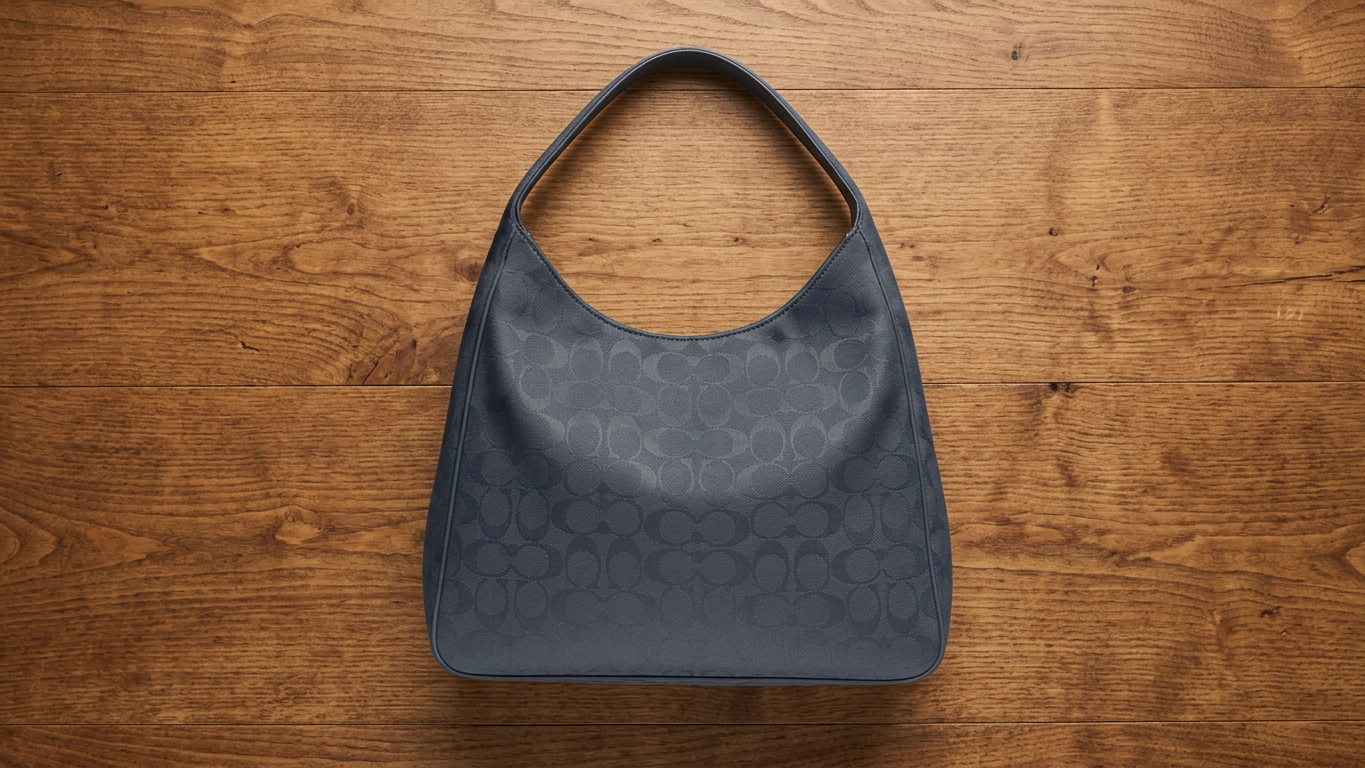
There are few accessories that hold up as well under scrutiny as a Coach handbag. Founded in Manhattan in 1941, the brand built its reputation not on spectacle but on material integrity — leather that aged well, hardware that didn’t corrode, stitching that held. That foundation is still the most honest argument for buying one.
A Legacy of Craftsmanship
Coach was founded in 1941 as a small family-run workshop in Manhattan. Six artisans, crafting leather goods by hand — that was it. What grew from that workshop into one of the most recognized names in American fashion did so because the product was genuinely good, not because the marketing was clever.
By the 1960s, Coach had pioneered glove-tanned leather — a soft, durable hide that gave their bags a distinctive suppleness and wear resistance that competitors couldn’t easily replicate. The technique isn’t decorative; it’s functional. It’s the reason a well-kept vintage Coach from 1978 can look better today than a fast-fashion bag from last season.
The Iconic Monogram
The “C” monogram pattern, introduced in the early 2000s, divided opinion — and that’s exactly what made it interesting. It landed at the intersection of affordable luxury and street-level status signaling, at a moment when both mattered enormously in American fashion culture. Some dismissed it as logo overkill. Others made it the centerpiece of their wardrobe. Both camps had a point.
What’s worth noting now, with some distance, is how well the monogram has aged relative to its contemporaries. The deep navy colorways in particular hold up — graphic enough to read as intentional, restrained enough not to exhaust. Coach’s ability to balance heritage and iteration on this design, rather than abandoning or over-extending it, has been one of the quieter strategic successes in American accessories.
Why Coach Handbags Remain a Fashion Staple
1. Quality That Lasts
Coach’s leather is treated to resist wear while developing a patina over time — a quality associated more with European heritage houses than American mass-market brands. The difference is real and worth paying for.
2. Versatility
The range is genuinely broad — structured totes, soft shoulder bags, crossbodies, hobos. Coach doesn’t force you to choose a single aesthetic identity, which is practical in a way that more rigidly positioned brands aren’t.
3. Accessible Luxury
Coach occupies a specific and genuinely useful price bracket — above disposable fashion, below the European luxury tier that requires either significant income or deliberate saving. That’s not a criticism. It’s a market position that reflects real-world budgets.
4. Sustainability
In recent years, Coach has made concrete moves toward eco-conscious production — recycled materials, more responsible leather sourcing, and the “Coach (Re)Loved” program, which refurbishes pre-owned bags rather than sending them to landfill. These aren’t just marketing gestures; they reflect a shift in how the brand thinks about product longevity, which aligns with the original ethos anyway.
Style Evolution: From Classic to Contemporary
Coach’s design history falls into three reasonably distinct phases, each reflecting both internal brand decisions and broader cultural shifts:
- Vintage Coach (1940s–1980s): Structured silhouettes, rich tan leathers, and minimalist hardware. These pieces are now highly sought after on the resale market — a reliable indicator of genuine quality.
- Logo Era (1990s–2000s): The monogram became a cultural phenomenon. It was everywhere, which diluted it — and also democratized it in ways that more exclusive brands couldn’t manage.
- Modern Coach (2010s–Present): Under Stuart Vevers, the brand moved toward bolder colors, mixed materials, and pop-culture collaborations. The results have been uneven, but the best pieces from this era show a brand willing to take risks rather than simply repeat itself.
The current collection sits in interesting territory — classic shapes pushed into new colorways and textures, with the occasional collaboration that’s more culturally engaged than most American accessories brands bother to attempt.
Styling Inspiration
How to work a Coach handbag into different contexts without overthinking it:
| Occasion | Outfit Idea | Style Tip |
|---|---|---|
| Workday Chic | Tailored blazer, white blouse, and slim trousers | Choose a structured tote or shoulder bag for a polished look. |
| Weekend Casual | Denim jacket, ribbed tank, and skinny jeans | Pair with a slouchy hobo or crossbody for effortless style. |
| Evening Out | Satin midi dress, heels, and statement earrings | Opt for a smaller bag with metallic accents or chain straps. |
| Travel Ready | Oversized cardigan, leggings, and sneakers | A roomy Coach tote keeps essentials organized and stylish. |
Who Actually Buys Coach
The Coach customer isn’t an archetype — she’s a range. She includes the woman who bought her first Coach bag at 22 with her own money and still uses it. The one who hunts vintage pieces on eBay because the older leather is better than anything in the current line. The one who bought a Tabby Shoulder Bag because she wanted something with visible craft at a price that didn’t require a payment plan. These aren’t the same person, and Coach is honest enough — or at least commercially smart enough — to serve all of them.
What they tend to share is a preference for substance over hype. Coach doesn’t manufacture scarcity or lean on influencer drops the way some competitors do. The bags are available, the quality is consistent, and the brand doesn’t ask you to perform enthusiasm about it. That restraint is, itself, a kind of confidence.
The Details That Matter
Every Coach handbag is worth examining closely. The markers of quality are consistent across the range:
- Precision stitching — even, tight, and structural rather than decorative.
- Polished hardware that resists tarnish and carries actual weight — not the hollow, light-feeling metal on cheaper bags.
- Thoughtful interiors with compartments that reflect how bags are actually used, not just how they look in product shots.
- Signature hangtags — a small authenticating detail that’s harder to fake convincingly than the monogram itself.
These are the details that separate a bag worth keeping from one worth replacing. Coach gets them right consistently enough that the brand’s longevity is earned, not just inherited.
The Case for Coach
Coach handbags are worth buying for the same reason they were worth buying in 1965: the materials are good, the construction holds, and the design has enough integrity to outlast the season it launched in. The brand has had difficult decades — the logo oversaturation of the early 2000s, the identity confusion of the mid-2010s — but it has consistently returned to what it does well. From the Tabby Shoulder Bag to the Willow Tote, the strongest pieces in any given collection share those original virtues: tactile quality, honest construction, and a silhouette that doesn’t require explanation.
In a market crowded with brands that prioritize visibility over longevity, Coach remains one of the few American accessories houses where the product itself is the argument. That’s rarer than it sounds — and it’s reason enough to take the brand seriously.