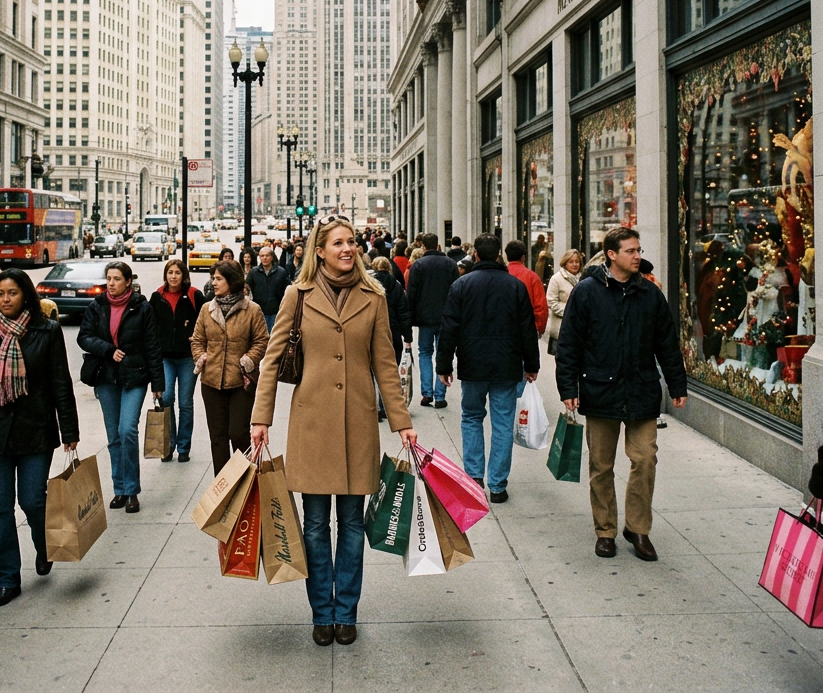
The Stores We Miss Most: Remembering Chicago’s Lost Shopping Icons
There was a time when shopping in Chicago wasn’t simply about making a purchase. It was an experience, an adventure, and for many of us, a cherished tradition. Long before online shopping, smartphones, and social media influencers became part of everyday life, fashion lovers spent entire days exploring department stores, browsing mall corridors, and strolling down Michigan Avenue in search of the perfect outfit or accessory.
Chicago’s retail landscape has changed dramatically over the years. While the city remains a world-class shopping destination, many of the stores that once defined its retail culture have disappeared. Some closed their doors permanently, while others merged with different brands or shifted their focus entirely.
Yet despite their absence, these beloved retailers continue to hold a special place in the hearts of Chicago shoppers. They shaped our wardrobes, inspired our personal style, and created memories that remain vivid decades later.
Let’s revisit some of the stores we miss most.
Marshall Field’s: The Heart of Chicago Shopping
No conversation about iconic Chicago stores can begin anywhere but with Marshall Field’s.
For generations, Marshall Field’s wasn’t simply a department store. It was part of the city’s identity. Located on State Street, the historic flagship attracted shoppers from across the Midwest who came to experience its elegant displays, exceptional service, and unforgettable atmosphere.
Walking through Marshall Field’s felt special. The store’s grand architecture, beautifully merchandised departments, and attention to detail created an experience unlike anything else.
Many shoppers remember searching for new coats, dress shoes, handbags, cosmetics, and holiday gifts within its legendary walls. Others fondly recall meeting friends beneath the iconic clocks before beginning a day of shopping.
During the holiday season, families traveled downtown specifically to see the famous window displays and festive decorations.
Although the building remains an important retail destination, many Chicagoans will always think of it as Marshall Field’s.
Water Tower Place During Its Golden Era
There was a time when Water Tower Place represented the ultimate shopping destination.
Located along the Magnificent Mile, the multi-level shopping center attracted locals, tourists, and suburban shoppers looking for fashion, entertainment, and a full day of retail therapy.
The mall buzzed with activity throughout the week. Escalators carried visitors between floors packed with clothing stores, specialty retailers, restaurants, and attractions.
For many Chicago-area residents, Water Tower Place wasn’t just somewhere to shop. It was where memories were made.
Teenagers met friends there on weekends. Families spent entire afternoons exploring every floor. Visitors from out of town made it a mandatory stop during their Chicago trips.
At its peak, Water Tower Place embodied the excitement of city shopping.
The Disney Store
One store that brought smiles to visitors of all ages was The Disney Store.
Stepping inside felt like entering a miniature version of the Magic Kingdom. The colorful displays, themed merchandise, and larger-than-life characters transformed an ordinary shopping trip into something magical.
Children rushed toward their favorite characters while adults enjoyed the nostalgic atmosphere.
The Disney Store became one of those places that shoppers visited even when they weren’t planning to buy anything. Simply walking through the store was part of the experience.
Its departure marked the end of a beloved chapter in Chicago retail history.
FAO Schwarz
Before online toy shopping became common, FAO Schwarz was one of the most exciting stores a child could visit.
The famous toy retailer specialized in wonder.
Visitors encountered giant stuffed animals, interactive displays, unique games, and demonstrations that encouraged exploration and imagination. Every corner seemed designed to spark curiosity.
For many families visiting Chicago, FAO Schwarz was one of the highlights of the day.
The store reminded us that great retail isn’t just about products. It’s about creating memorable experiences that stay with customers long after they leave.
Lord & Taylor
Lord & Taylor brought classic sophistication to Chicago shopping.
Known for timeless fashion, quality merchandise, and polished presentation, the department store attracted shoppers who appreciated refined style.
Many women relied on Lord & Taylor for professional clothing, elegant dresses, outerwear, and wardrobe essentials.
The store represented an era when department stores emphasized service, quality, and long-term customer relationships.
While shopping habits have changed considerably over the years, many former customers still miss the dependable elegance that Lord & Taylor consistently provided.
The Limited
Few retailers captured the fashion spirit of the late 1990s and early 2000s quite like The Limited.
For countless women, The Limited served as the perfect bridge between professional style and contemporary fashion.
The store offered trendy workwear, stylish separates, statement accessories, and outfits for everything from job interviews to nights out with friends.
A visit to The Limited often resulted in leaving with several shopping bags and countless styling ideas.
Its disappearance left many loyal customers searching for a comparable shopping experience.
Borders Books and Music
Not every beloved store sold clothing.
Borders Books and Music played an important role in shopping culture during the Y2K era.
Shoppers often stopped in to browse magazines, discover bestselling novels, listen to music samples, or enjoy a coffee break between shopping trips.
The store encouraged visitors to slow down and explore.
For fashion lovers, magazine racks filled with Vogue, Harper’s Bazaar, Elle, and InStyle often provided endless inspiration.
Borders represented something today’s digital world sometimes lacks: the joy of discovery through browsing.
Gap During Its Peak
While Gap still exists today, many shoppers remember the brand’s dominance during the late 1990s and early 2000s.
Its stores served as a cornerstone of American fashion.
From perfectly fitted denim and khakis to cozy sweaters and casual basics, Gap helped define everyday style for an entire generation.
Their advertising campaigns became cultural events, and walking into a Gap store often felt like stepping into the latest fashion trend.
For many Chicago shoppers, a visit to Michigan Avenue wasn’t complete without stopping to see what Gap was offering that season.
The Magic of Shopping Before Online Retail
Perhaps what we miss most isn’t a specific store.
It’s the overall shopping experience.
Before online shopping transformed retail, a day spent in Chicago felt intentional and exciting.
People planned shopping trips weeks in advance. Friends coordinated schedules. Families traveled downtown together.
A full day might include lunch, several department stores, a walk down Michigan Avenue, and countless window displays.
Shoppers touched fabrics, tried on clothing, compared brands, and discovered trends firsthand.
Every visit offered surprises.
You never knew when you’d stumble upon a sales rack, find the perfect handbag, or discover a new favorite store.
Shopping felt like an event.
Chicago’s Retail Spirit Lives On
Although many of these beloved stores are gone, Chicago remains one of America’s great shopping cities.
Luxury brands line Oak Street. Historic buildings continue to provide stunning retail spaces. The Magnificent Mile still attracts visitors from around the world.
The stores may have changed, but Chicago’s love of fashion remains strong.
New generations are creating their own shopping memories, just as previous generations did at Marshall Field’s, Water Tower Place, The Limited, and countless other retailers.
Final Thoughts
The stores we miss most represent more than lost businesses.
They represent moments in time.
They remind us of Saturday shopping trips, holiday traditions, first designer purchases, special outfits, and unforgettable experiences shared with friends and family.
Marshall Field’s gave Chicago a retail icon. The Disney Store brought magic to young shoppers. FAO Schwarz inspired wonder. The Limited helped define an era of fashion. Borders encouraged discovery.
Together, they helped create a shopping culture that many Chicagoans still remember with affection.
While retail will continue to evolve, these stores remain an important part of Chicago’s fashion history. Their signs may be gone, but the memories they created continue to inspire those of us who were lucky enough to experience them.
Drop your two cents 🪙